Tree Pros / Lot & Selective Tree Clearing
Clear with a purpose. Keep what belongs.
Making a property more usable does not always mean clearing it completely. Selective removal can address unwanted trees and woody growth while preserving the parts of the landscape that give the grounds their character.
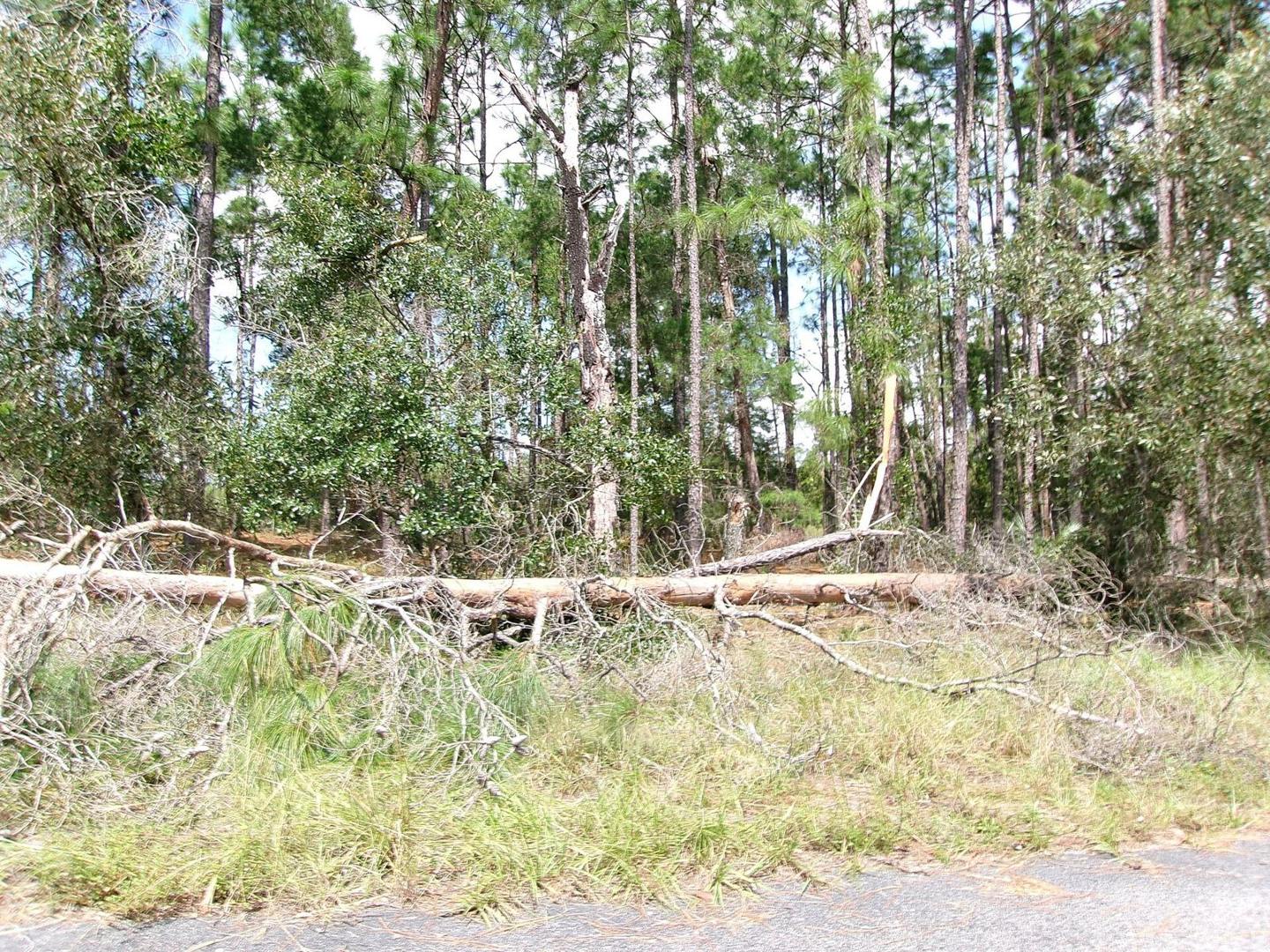
Define the change before defining the cut
The goal may be access to an outbuilding, room for a planned planting area or a more usable part of a wooded lot. Identify that purpose first. A clear brief should distinguish the trees and growth proposed for removal from those intended to remain, including screening along boundaries and established trees near the house.
Property lines and access permissions need to be settled before work. An informal path or old fence does not necessarily establish a boundary. Where a landscape designer or another contractor is involved, the tree work should be coordinated with the approved plan rather than based on a broad instruction to clear the area.
Confirm the requirements for this property
Clearing and tree-removal requirements can vary by town, incorporated village, site conditions and protected status. Wetlands, conservation restrictions and existing approvals may also affect a proposed project. Check with the relevant municipal department and any applicable reviewing authority before scheduling work; this service description is not permitting advice.
A tree that appears unwanted is not automatically unrestricted. The extent of clearing, the location of the work and the status of the property all need to be understood. Do not assume that a neighboring property's work establishes what is allowed on yours.
Keep the scope practical and specific
Selective clearing may involve tree removal, cutting woody growth and moving or disposing of the resulting material. Stump grinding can be considered separately where future use calls for it and site conditions allow. Explain the intended finish and whether roots, stumps or wood material would interfere with the next stage.
Tree Pros' scope here is tree and woody-growth work. Excavation, demolition, grading and large-scale site development are not implied. Ground preparation and new landscaping may require separate contractors after the tree work. Agree the access route, retained features, material handling and cleanup area before work so that the result supports the next stage of the property plan without unnecessary clearing.
Situations to discuss
- Selective removal for usable space
- Woody growth obstructing property access
- Tree work ahead of landscape changes
- Clearing around retained trees and boundaries